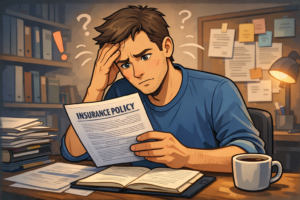
Navigating the fine print of short-term health insurance policies can be overwhelming and confusing.
I. Introduction — The Perfect Illusion of Low-Cost Insurance
When I first started researching short-term health insurance, the allure was undeniable: affordable premiums, easy enrollment, and temporary coverage. As someone who didn’t anticipate major health issues in the short term, I thought this would be a smart, cost-effective solution. I was wrong.
The reality of short-term health insurance quickly unfolded in ways I didn’t expect. While the premiums were lower, the hidden limitations became apparent almost immediately. What seemed like a straightforward option turned into a web of confusion, stress, and financial uncertainty. This article aims to shed light on the dark side of short-term plans — the aspects that don’t get emphasized in their marketing, and how you can avoid falling into these traps.
II. The Initial Appeal vs. The Hidden Pitfalls
At first glance, short-term health insurance looks like a dream come true for budget-conscious individuals. Premiums are often half the cost of traditional insurance plans, and the enrollment process is typically fast. But beneath the surface lies a different story.
-
No guaranteed coverage for pre-existing conditions: Most short-term policies don’t cover conditions that existed before you applied. This can leave you unprotected in the event of a flare-up or related medical issue.
-
Limited benefits: Unlike ACA-compliant plans, short-term plans are not required to cover essential health benefits like maternity, mental health services, or prescription medications.
-
High out-of-pocket costs: While the premium is low, the deductibles and copayments often make it difficult to get comprehensive care without paying a lot upfront.
I fell into this trap myself. I thought I was saving money by opting for short-term coverage, but the low premiums didn’t compensate for the high costs when I needed care. In fact, my plan barely covered any of the medical expenses I encountered.
III. Pre-Existing Conditions: The Hidden Exclusion
One of the most frustrating aspects of short-term health insurance is how it treats pre-existing conditions. At the time, I had a mild, manageable condition that I assumed would be covered. But after reading through the fine print, I found that short-term plans explicitly exclude pre-existing conditions, making me ineligible for coverage related to my health issue.
The problem with this is that the exclusion often isn’t emphasized upfront, and I didn’t realize just how much I was sacrificing by choosing a short-term plan. What was sold to me as “affordable and flexible coverage” ended up being a waste of money when it came to actually needing the insurance.
IV. Limited Benefits and Unexpected Costs
Short-term health plans aren’t required to cover the comprehensive benefits that are typically included in ACA plans. These exclusions mean that, for example, maternity care, prescription medications, and mental health services are often left out of the equation.
My plan was no exception. When I needed a prescription for a non-emergency situation, I was shocked to learn that the policy would cover only a small portion, and I ended up paying a lot more than I had anticipated. What’s worse, many preventive care services were also not covered, forcing me to pay out of pocket for things like cancer screenings and annual checkups.
It quickly became clear that the out-of-pocket costs were the real price I was paying for what appeared to be a bargain plan. I found myself in a constant struggle between managing unexpected medical bills and trying to get the most out of a policy that wasn’t designed to give me full coverage.
V. The Claims Process: A Long Road of Frustration
One of the most disheartening experiences I had with short-term insurance was when I needed to file a claim. The process was long and cumbersome, and it felt like the insurance company was doing everything in its power to avoid paying out.
-
Claim denials: More than once, I was denied coverage for treatments that seemed well within the plan’s scope. In those moments, it felt like I was paying for a service that wasn’t providing the support it promised.
-
Poor customer service: When I called customer support for help, I often had to wait on hold for long periods, only to be transferred multiple times without resolution.
In total, I spent several weeks trying to resolve issues with claims. This experience was draining, both financially and emotionally. It left me with the sense that I was always at a disadvantage when dealing with these insurers.
VI. How to Avoid the Pitfalls: What I Wish I Knew
Now, having gone through the short-term health insurance experience, I can offer a few tips and insights on how to avoid the common pitfalls I encountered:
-
Read the fine print carefully: Short-term plans come with a lot of exclusions. Don’t rely on summaries or marketing materials — always read the full policy.
-
Understand the costs: The low premiums can be deceiving. Make sure you fully understand the deductibles, copays, and out-of-pocket maximums.
-
Check for pre-existing condition exclusions: If you have any ongoing health issues, make sure that the plan won’t exclude them before you enroll.
-
Choose carefully between short-term and ACA plans: If you expect to need regular medical care, short-term plans might not be the best choice. ACA-compliant plans may have a higher premium, but they come with far more robust coverage.
-
Track all claims and keep receipts: Given the slow claims process, it’s important to document every interaction, keep all receipts, and follow up regularly.
Ultimately, being proactive and informed can help you navigate short-term health insurance successfully — or at least avoid making the same mistakes I did.
VII. Conclusion — Is Short-Term Insurance Worth It?
Short-term health insurance can be a valuable tool in specific situations, such as a brief gap in coverage between jobs or during a transition period. However, it’s not a one-size-fits-all solution, and it’s important to understand the limitations before committing.
For me, the hidden exclusions, high costs, and frustrating claims process made short-term insurance feel more like a burden than a benefit. I learned the hard way that you get what you pay for, and sometimes, the “cheap” option ends up being far more expensive in the long run.
If you’re considering a short-term plan, I’d advise you to carefully weigh the pros and cons and make sure you’re prepared for the reality that might come with it. In the end, health insurance should bring peace of mind, not more stress.